AI Search: Google AI, Chatbots and New Search Engines at-a-glance

Search is changing more dramatically than it has in years and AI is the driver of this change. It is already clear that in just a few years, search will look completely different from today. We’ll show you what this means for SEO, how visibility remains measurable across the different approaches and what steps are important.
Google AI

AI Overviews & AI Mode

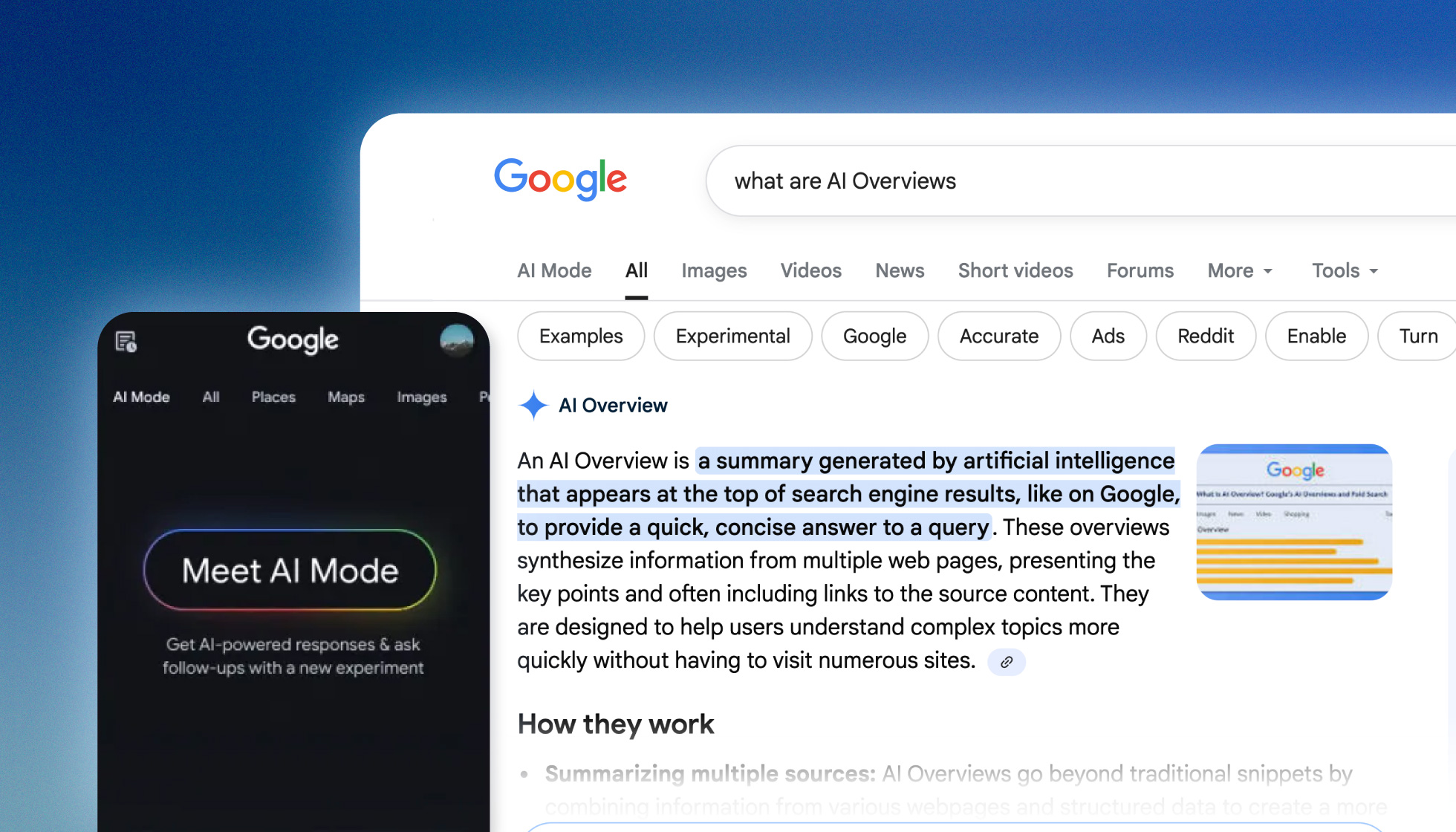
With AI Overviews, Google has ushered in a new phase of search. Instead of the usual list of ten blue links, automatically generated answer boxes appear for more and more search queries, combining content from various sources and ranking above the organic results. Visibility is no longer generated exclusively through rankings, but also through mentions within these AI answers.

In parallel, Google is pushing AI Mode – a dialogue-oriented search mode based on Gemini. This chat tab combines the Google index with a chat interface and delivers answers in a conversational format. Internally, Google is already setting the course for developing AI Mode into a standard search method in the long term.

Web search meets language model

AI Search Engines

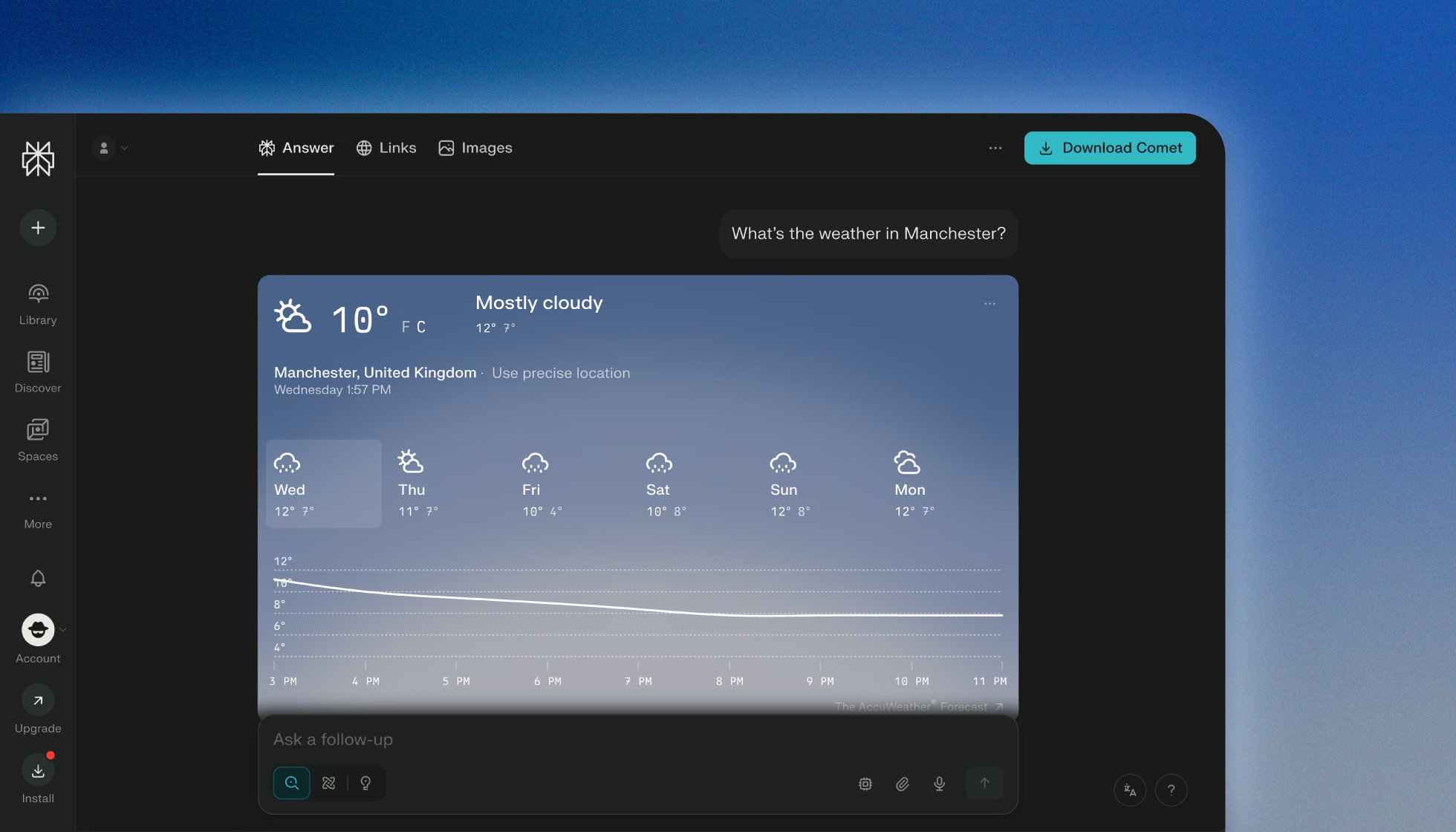
In addition to Google, independent AI search systems have become established – first and foremost Perplexity and the ChatGPT web search. Both use existing web indexes, mostly Bing, and combine them with a language model. Users do not get a hit list, but a directly formulated answer in a chat interface, often with source references and the option to ask follow-up questions.

The key difference to static chatbots: Every answer is based on a current web search and not just on trained model knowledge. Visibility is no longer generated through fixed rankings, but through whether a domain is mentioned or linked in these answers. This makes the systems similar to Google’s AI Overviews, but they operate outside the Google cosmos and deliver more dynamic results.

SEO in the age of ChatGPT & Co.

AI Chatbots

AI chatbots like ChatGPT and co. have quickly established themselves as sources of information. They no longer just answer emails or provide translations, but also answer knowledge questions. ChatGPT is now one of the most used websites worldwide. Unlike classic search engines, chatbots provide direct answers in a dialogue, often without identifiable sources.

The content primarily comes from trained model knowledge and is only occasionally supplemented by current web accesses. A real live search rarely takes place. Visibility is therefore no longer generated only through rankings and clicks, but through the question of whether a brand even appears in answers. Content must be machine-readable, precise and clearly assignable. Those who want to understand how chatbots use information must observe their answers and optimize them specifically before visibility is lost.

Analyse AI/Chatbots with SISTRIX

More and more search queries are being answered outside of classic Google search. Find out now whether your brand still appears in the most important AI systems – and what your competitors are doing better.

What’s changing for SEO?

AI is measurably changing SEO. Visibility is no longer generated only through rankings in Google, but through mentions in chatbots like ChatGPT or Gemini. Therefore, structured and comprehensive content that can serve as a source is more important than ever. It is crucial whether a brand appears in AI systems and in what context it is mentioned. Those who continue to focus only on classic search results will lose visibility to competitors. We show what needs to be done now based on analyzed successful brands, sources and prompts.

Frequently Asked Questions and Answers

How reliable are chatbot answers – and how do I deal with hallucinations?

Chatbot responses are often helpful, but not always reliable. Models can invent or misrepresent content because they are based on probabilities rather than verified sources. Additionally, there is the risk of 
prompt injections : manipulated input that inserts false or unwanted content into responses. For companies, this means: regularly verify facts, maintain consistent content, and document any inaccuracies.

Why do brands that are also generic terms have trouble being correctly recognized by chatbots?

AI chatbots work with entities . Ambiguous entities like "confetti," "time," or "world" have a hard time in the chatbot world. The lack of clarity that domains offer in classic SERPs is a disadvantage. While AI usually manages to distinguish between generic entity and brand for very large brands (like newspapers), this often doesn't work for smaller brands.

How are AI systems and the AI market currently developing?

Current AI developments are significantly revitalizing the market. Based on the current situation, it can be assumed that the AI ​​fashion approach will prevail in the medium term. While generative AI will not completely replace traditional web search in the short term, it will gain importance as another relevant pillar of information gathering. The field is developing rapidly, and it is very likely that the reality in six to twelve months will look noticeably different than it does today.

What four pillars of "AI search" are being observed in the market?

In general, the "AI search" area is divided into four different pillars, which are handled by different providers:

  1. AI Overviews : These AI elements are closest to the familiar SERPs.
  2. AI Mode : There are currently very few examples of this available.
  3. AI search engines (such as Perplexity and ChatGPT with web search): Users enter their own prompts, which are then regularly queried in order to create analyses based on them.
  4. AI chatbots (such as Google Gemini or ChatGPT): These work with very large numbers of prompts.

Contact Support

Send Message