AI Search Engines
AI search engines are revolutionising traditional internet search. Instead of displaying a list of results, they combine a classic web index with a language model and formulate a direct answer. This makes the search more dynamic, yet reliable and up-to-date.

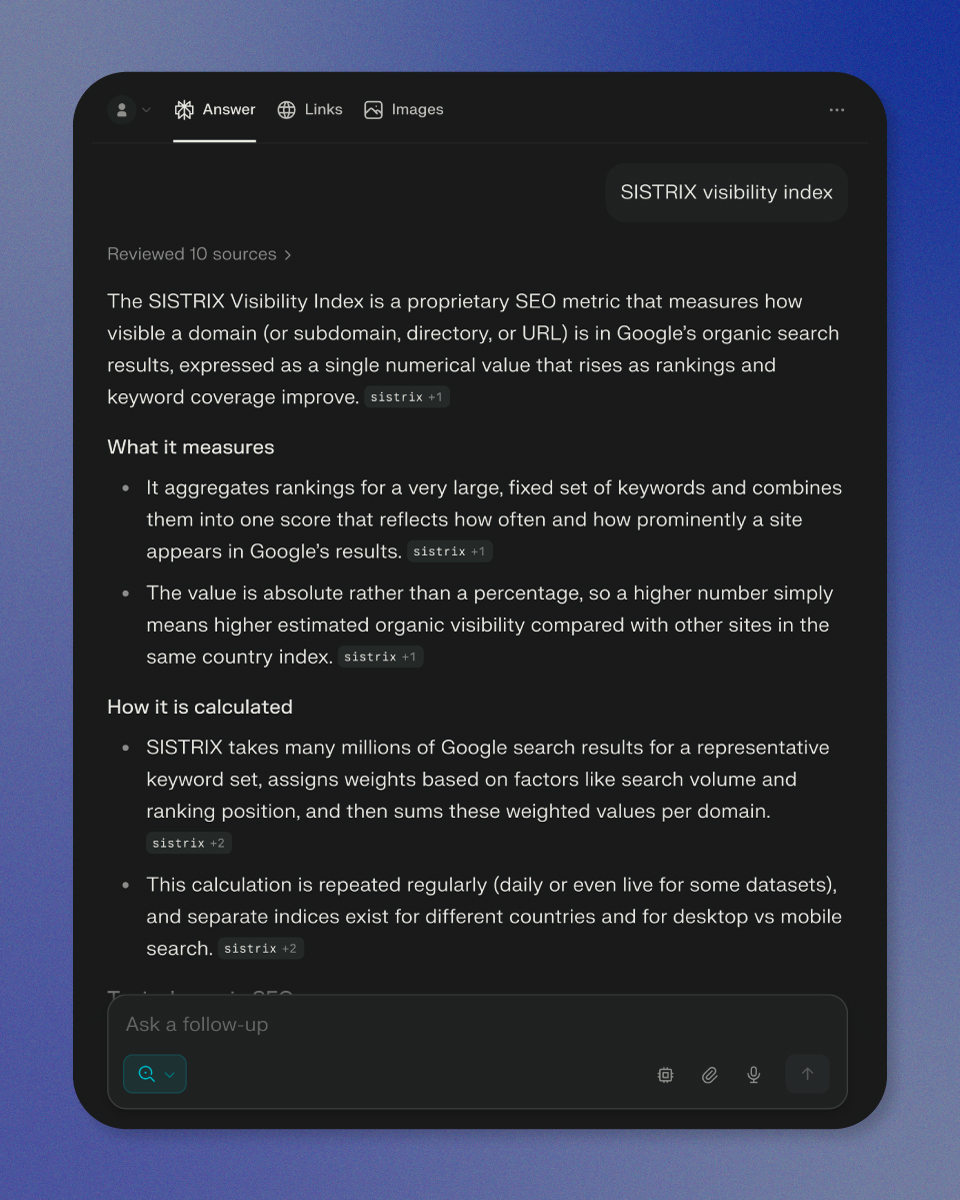
What changes now?
AI-powered search engines present SEOs with new challenges. Visibility is no longer solely determined by fixed rankings, but rather by whether and how a domain or brand is mentioned in the search results. Traditional SERP positions are losing their significance.
Furthermore, there is high volatility: results can change daily because both the underlying index and the language model are variable. Even self-generated content doesn’t always appear as a cited source, and source information can be incomplete or incorrect. For SEOs, this means that familiar success metrics are reaching their limits, and new approaches are needed.
Publishers also face risks . Content can be used by AI without reliably generating return traffic. At the same time, there is an increased risk that faulty or outdated information will be spread via AI systems, thus influencing brand perception.
In the long run, one thing is clear: AI-powered answers will become established in search behavior. For SEOs, this means addressing these changes early on in order to seize opportunities and keep an eye on risks.
Evaluate AI search engines with SISTRIX
AI search engines deliver direct answers instead of traditional link lists. Find out now if your brand is visible in these answers – and how you compare to the competition.
Analyse visibility in AI search engines with SISTRIX
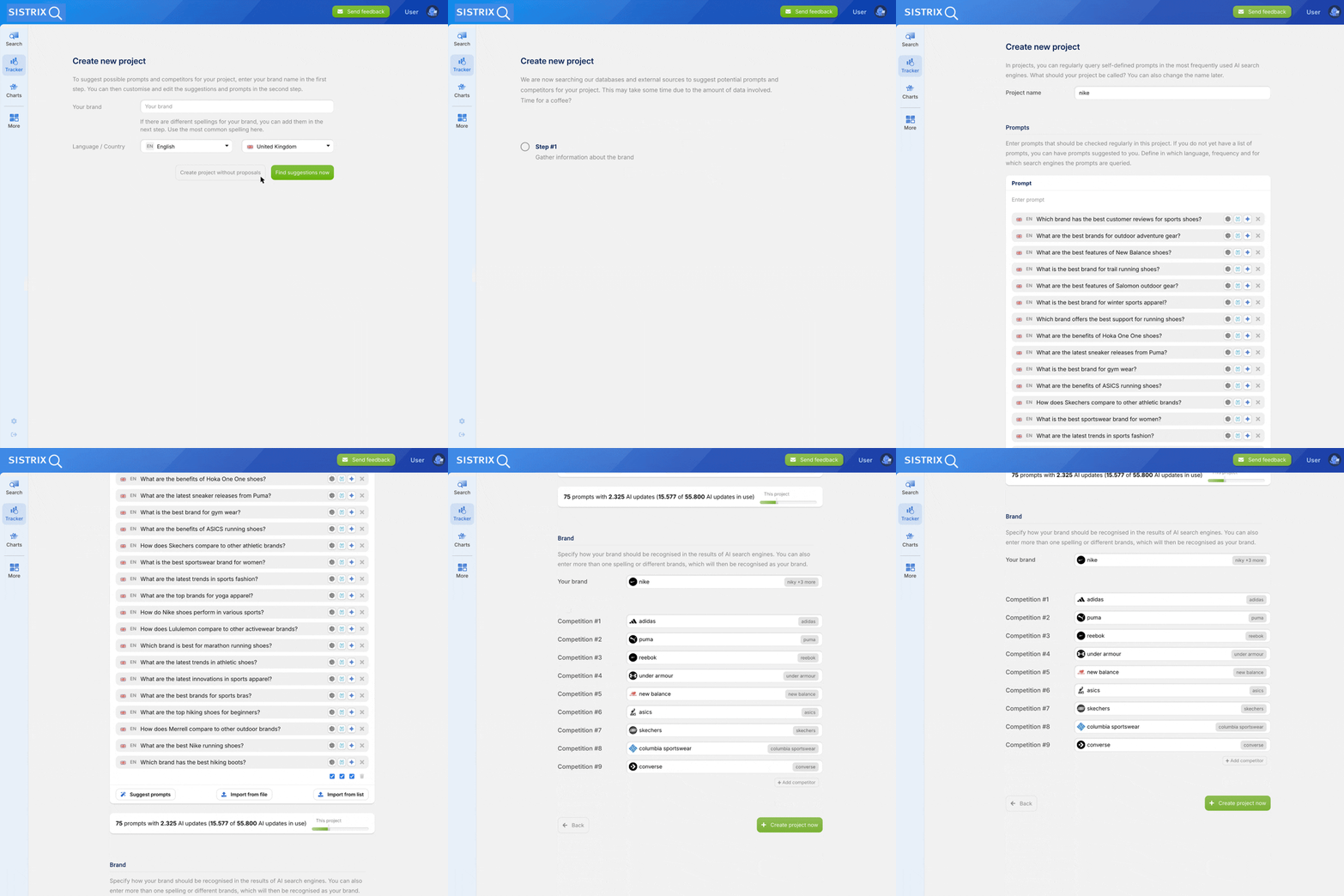
AI visibility in focus
AI search engines don’t provide fixed rankings, but rather dynamic results. This makes it all the more important to know if and how your brand appears in them. Projects can help you regularly monitor this visibility and keep track of changes.

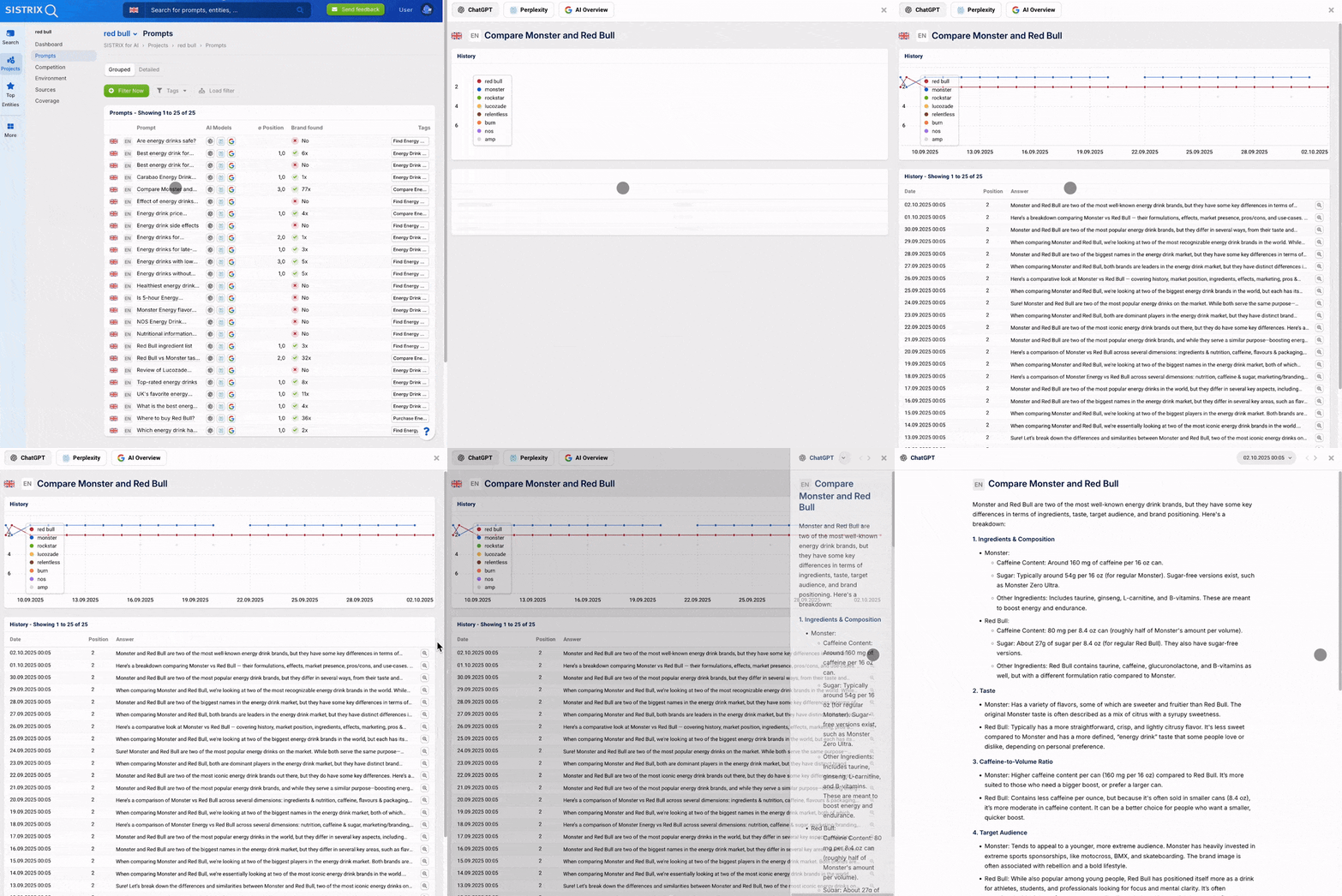
Making success measurable
Only by keeping track of developments can you recognise actual progress. The timeline of your prompts shows you how visibility shifts, which measures are effective, and when competitors gain strength.
Comparison with competitors
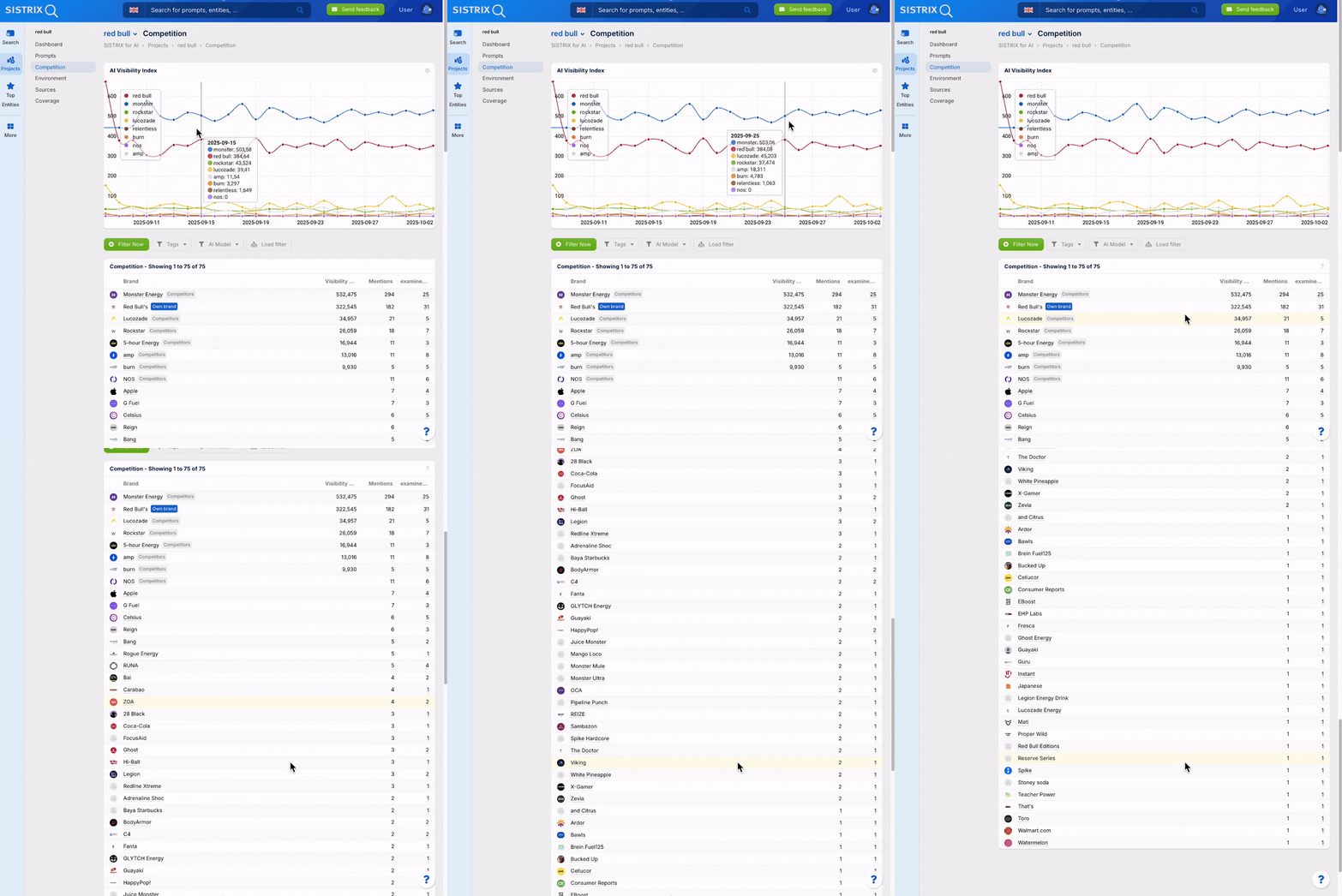
Only a direct comparison reveals how strong your brand truly is in the market. You can see which competitors appear in AI-generated answers, which topics they are addressing, and where new opportunities arise for you.




Your questions answered