AI Chatbots
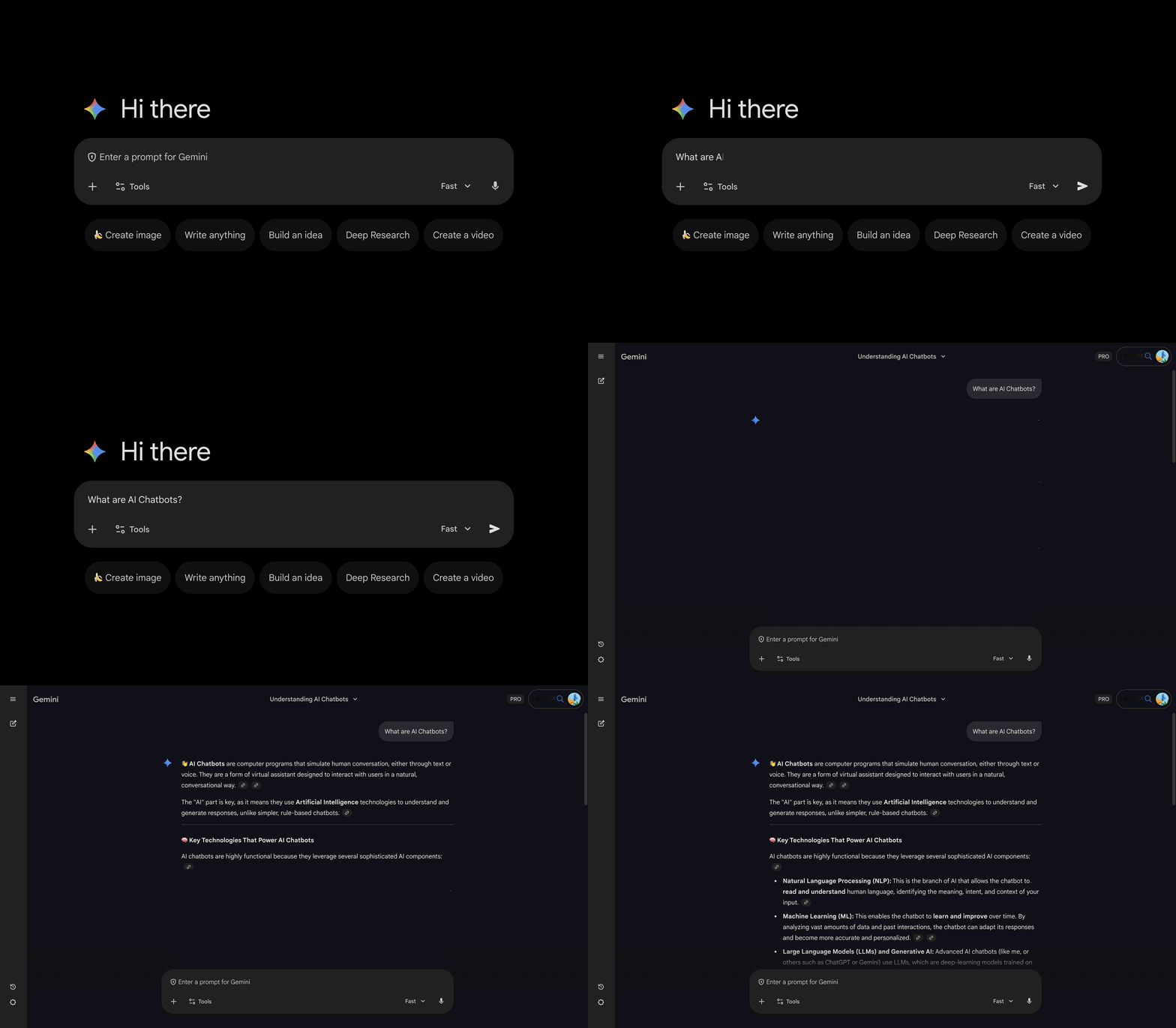
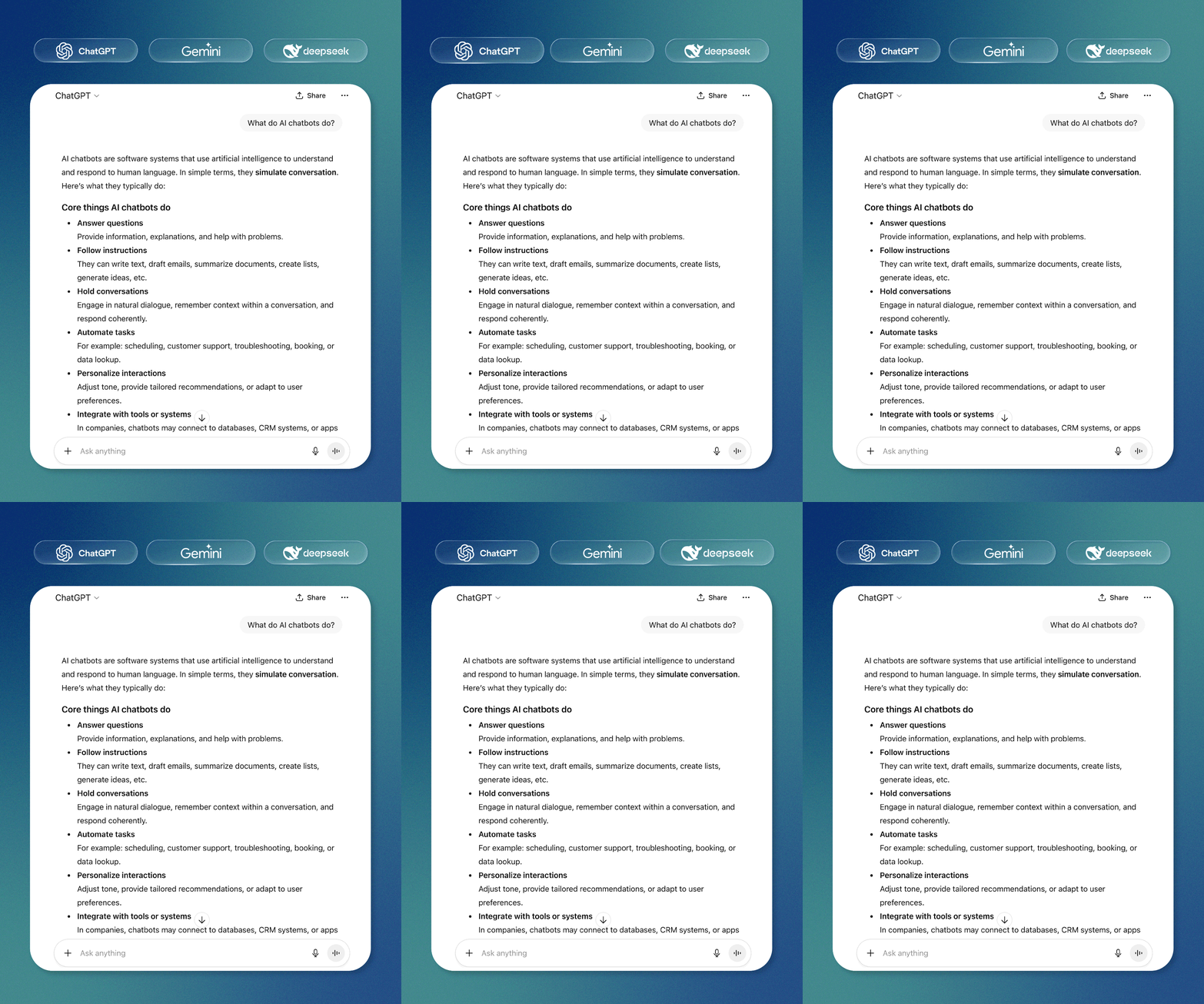
Chatbots are dialogue-oriented systems based on large language models (LLM). Instead of simply displaying search results from external websites, they provide direct answers to questions. For companies, e-commerce shops, or media houses, this means that visibility is no longer just measured in the Google SERPs.
What’s changing now for website operators and SEOs
With the rapid growth of AI chatbots, the role of traditional search is changing noticeably. More and more questions are answered directly in dialogue, without users having to click on a website . This shifts visibility away from the hit list and towards direct mention in answers.
Users expect quick and comprehensive answers, which they receive directly in the chat. Clicking on external pages is becoming less frequent, and much information remains within the systems. For SEOs, this raises the central question of how content can be designed so that it is still considered in this new environment.
It’s clear: Those who rely solely on traditional rankings will lose reach. The crucial factor will be how well a brand is recognizable in chatbots, whether it’s mentioned in relevant topic areas, and whether content is precise and machine-readable enough for the systems to reliably access it. The principle of visibility versus reach is faltering. Those who want to maintain a presence must understand how AI systems use content and align their strategy accordingly.
Chatbot responses with brand mentions
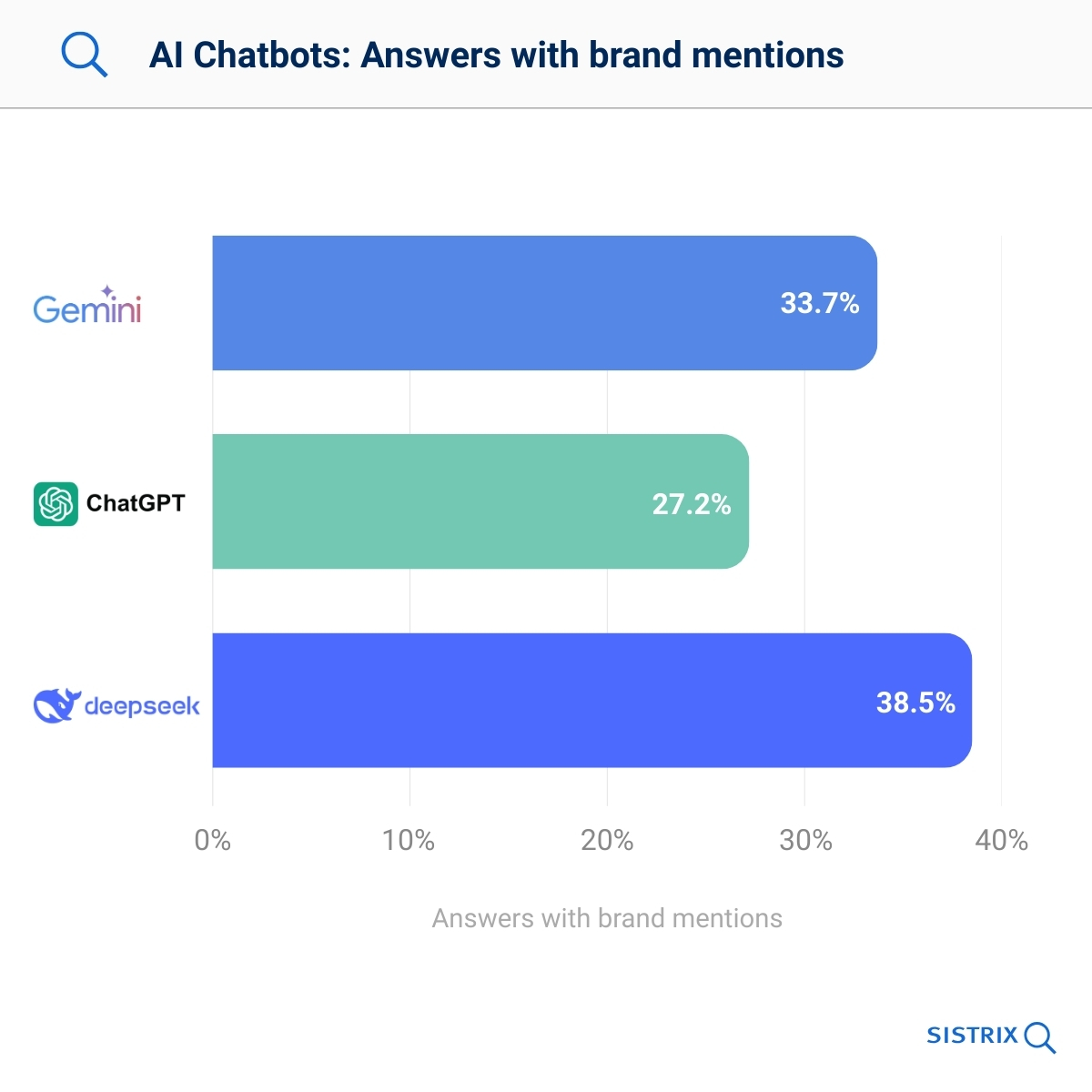
Only about one in three responses from ChatGPT, Gemini, and Deepseek actually contains a brand. Deepseek mentions brands most frequently at 38.5 percent, while ChatGPT mentions them least frequently at 27.2 percent.
Accessibility of cited sources
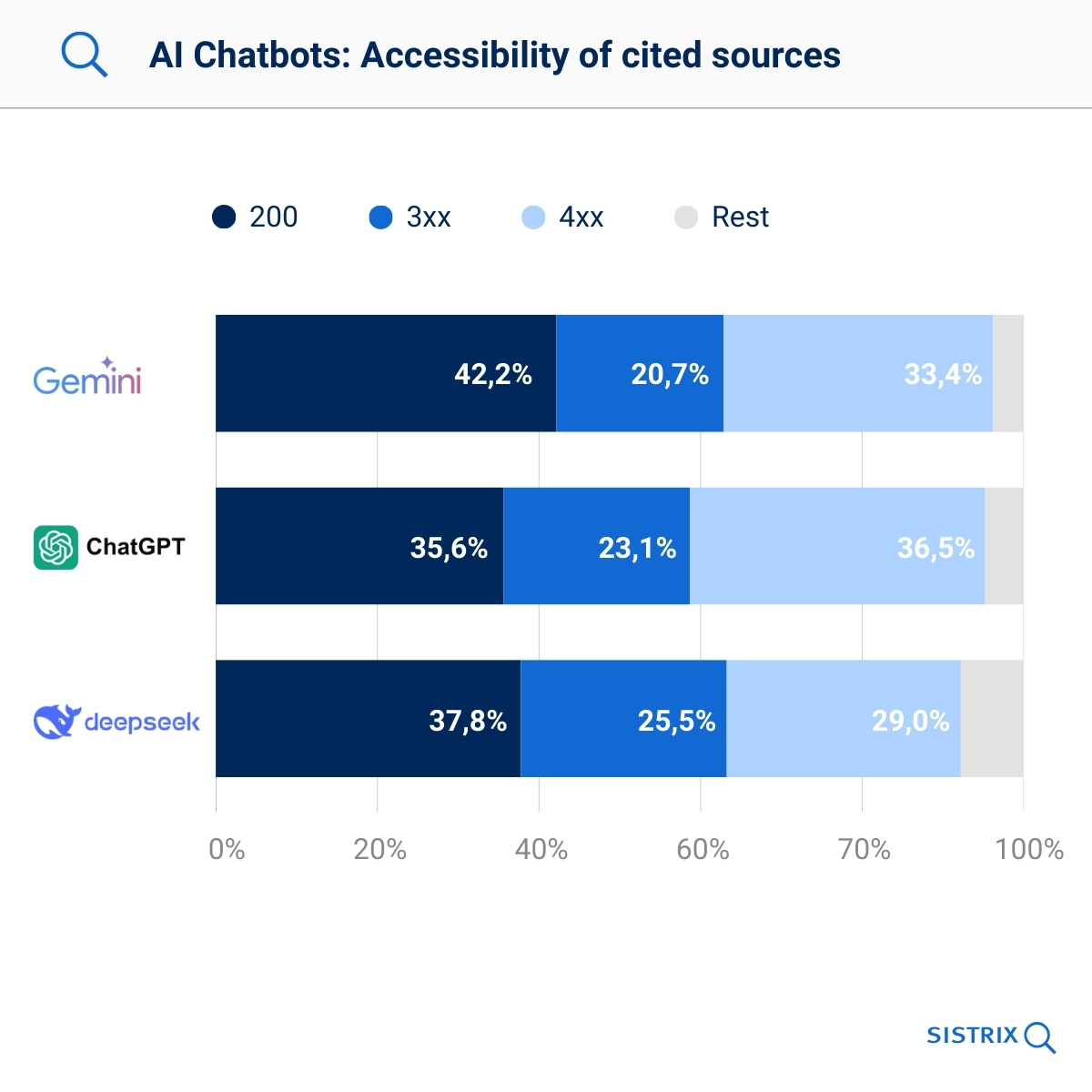
AI chatbots have structural problems with URLs. In an examination of 10,000 source references, only about 42 percent were directly accessible with Gemini, and the percentage was similarly low with ChatGPT and DeepSeek. Around a third of the links led nowhere
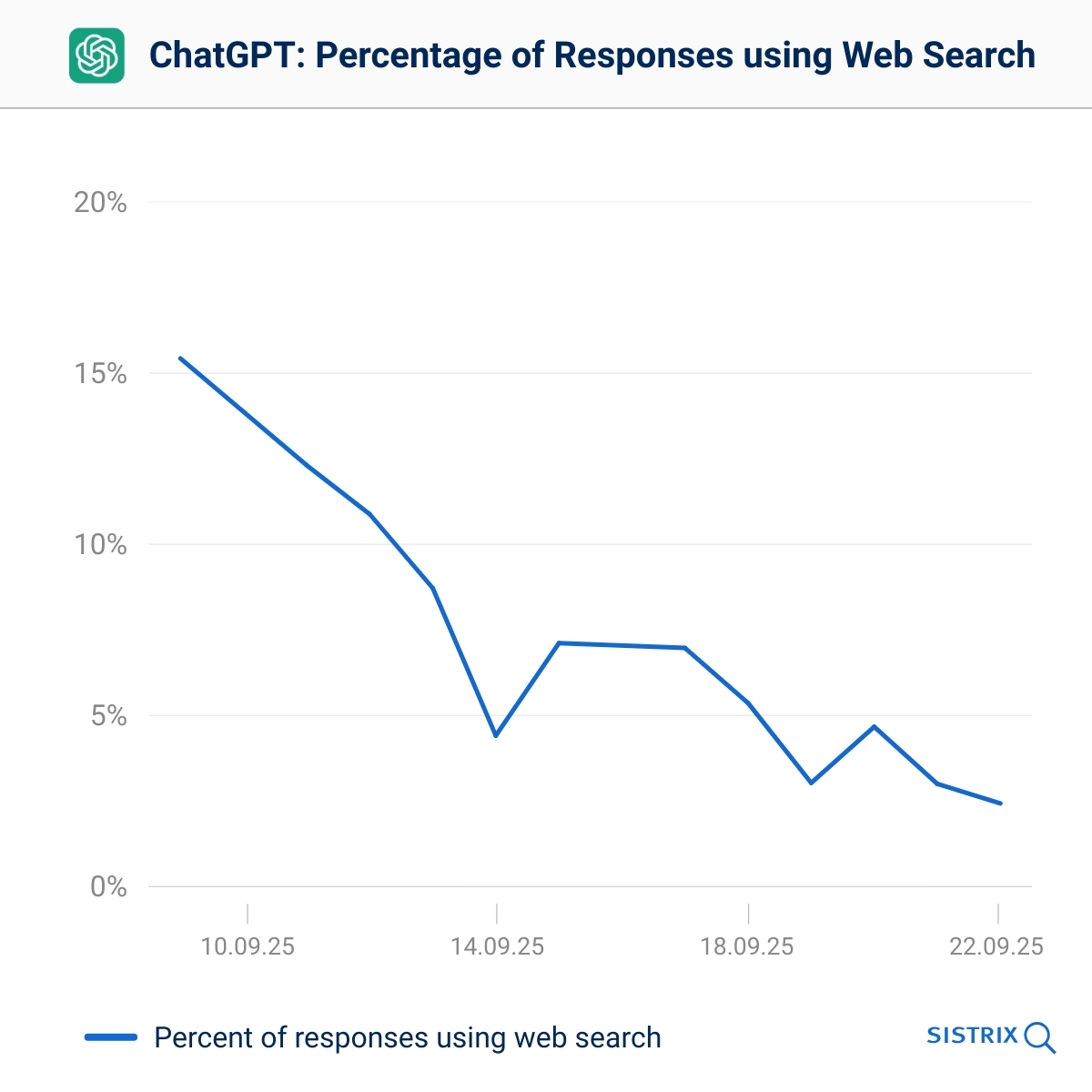
Percentage of ChatGPT prompts that use web searches
ChatGPT rarely uses web searches to supplement its own knowledge anymore. The share is below 2.5 percent, even though the model traditionally relies on Bing. The share of web searches has thus recently fallen by around 12.5
Analyse AI Chatbots with SISTRIX
Chatbots are taking up an ever-increasing share of internet search queries. Find out now if you’re even appearing in chatbot responses at all, and what your competitors are doing better.
Track Chatbots with SISTRIX
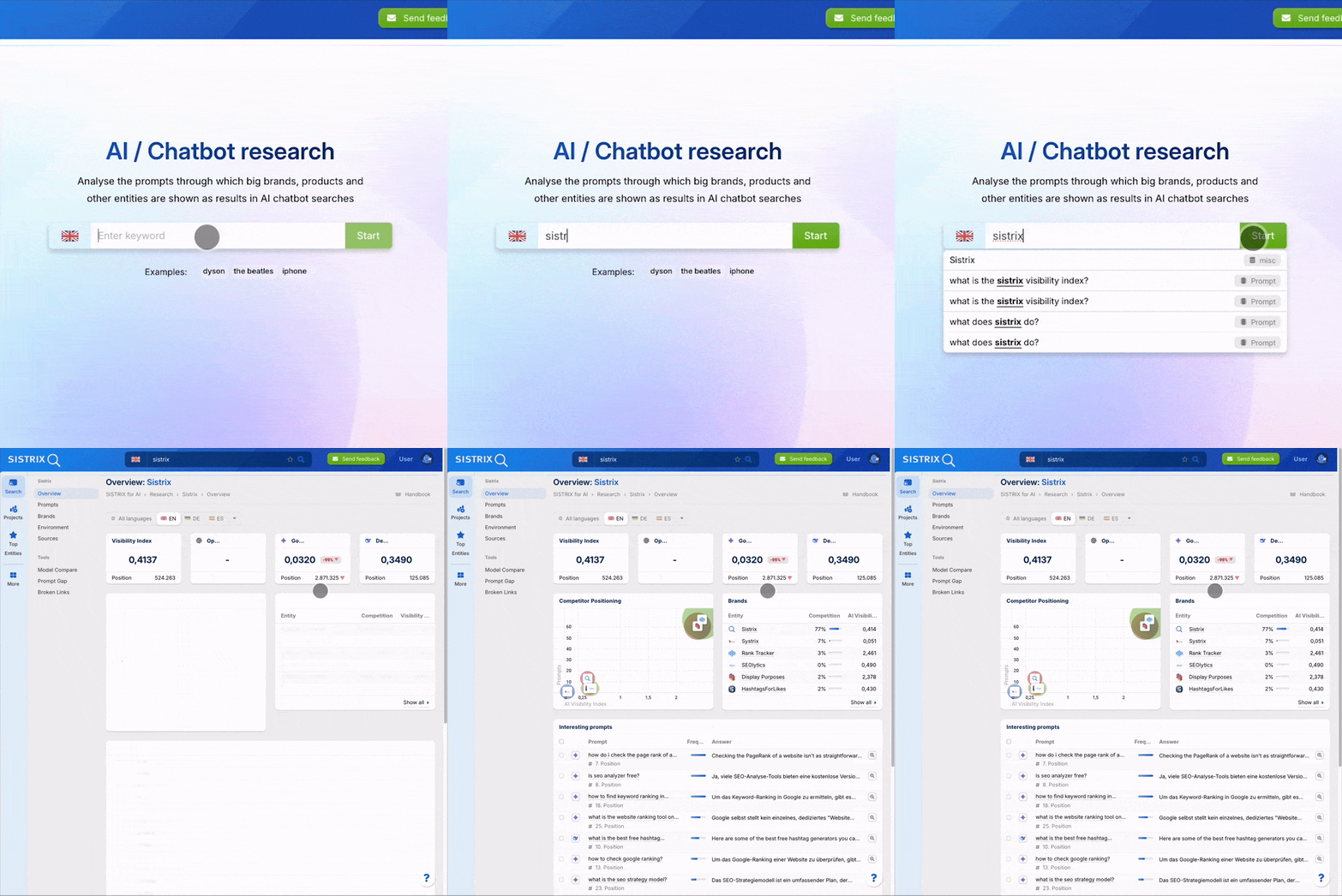
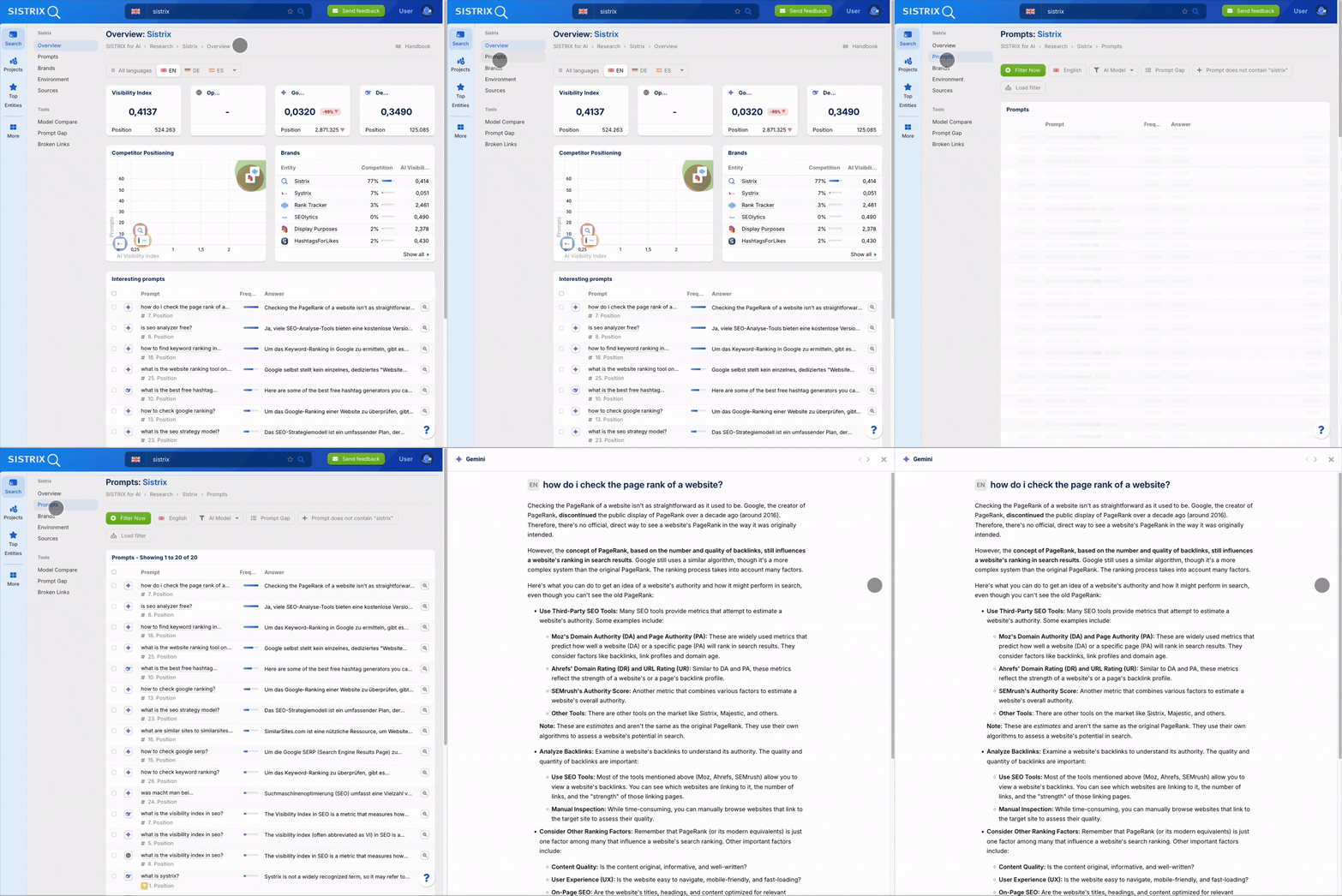
Visibility at a glance
The overview shows how visible your brand is in chatbots and how it positions itself compared to competitors. Visibility index, competitor list, and relevant prompts provide a clear basis for identifying opportunities and areas for action.
Prompts Under the Microscope
The analysis shows which questions mention your brand. This allows you to immediately see how chatbots present you and where content should be adjusted. At the same time, it becomes clear which competitors appear more frequently and which topics they cover.
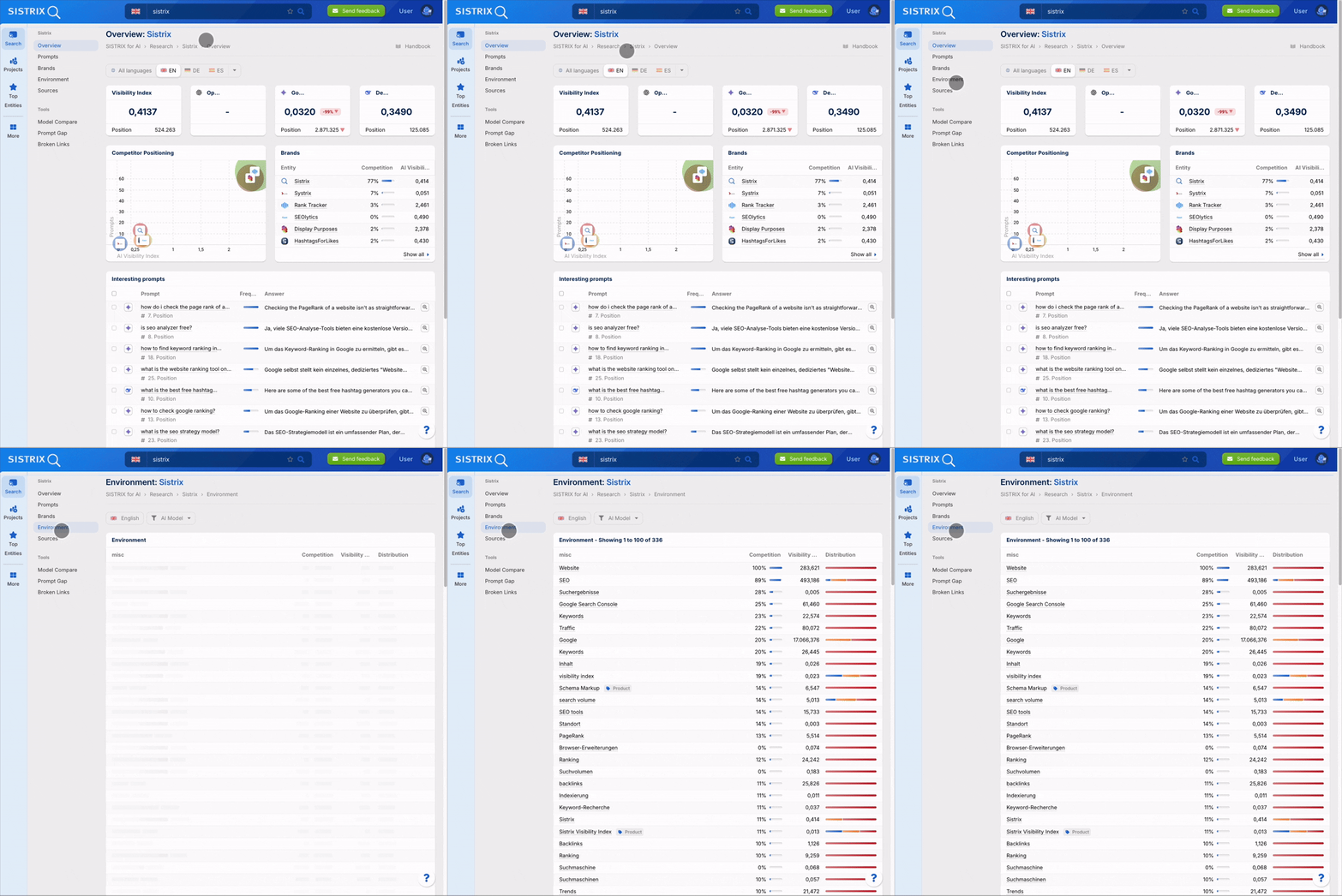
Competitors in Focus
The entity environment shows the contexts in which your brand is mentioned and which terms or competitors play a role. This helps you identify which topics you cover, where the competition is stronger, and where new opportunities for visibility arise.



Your questions answered
How should prompts for chatbots be formulated to make your own brand more visible? Prompts should not closely resemble Google search results as chatbots use different phrasing. It is more helpful to use specific, query-like prompts instead of simple search terms, for example: "Which manufacturers produce bags for machine labeling? List 10 manufacturers in order of relevance." |
How do AI Overviews differ from the generative search results on Bing or Perplexity? Bing Copilot and Perplexity are interactive AI search systems that provide answers in a chat-like interface and can be controlled by follow-up questions. Both combine a language model with a search index and generate answers dynamically based on the question asked. AI Overviews, on the other hand, are static results in Google Search. They are automatically generated for certain search queries and only change when Google re-evaluates the content or sources, but not through direct interaction with the user. |
Why is my domain not listed in the AI Overview, even though I am in the organic top 10? Google does not select the sources in the AI Overview solely based on ranking. Pages that answer the search query completely and accurately are often preferred, especially if they are considered particularly relevant or trustworthy. Thematic coverage, topicality of content and clear wording can also be decisive factors. It is therefore worthwhile to tailor content specifically to the aspects covered in the AI Overview. |
How reliable are chatbot answers – and how do I deal with hallucinations? Chatbot responses are often helpful, but not always reliable. Models can invent or misrepresent content because they are based on probabilities rather than verified sources. Additionally, there is the risk of |
Are chatbots replacing traditional search engines or are they merely complementing existing channels? Chatbots don't replace traditional search engines, but they do shift search behavior. Many simple questions are answered directly in a dialogue, without users having to click on a website. Traditional search engines remain important, but are losing reach. For website operators, this means designing content so that it is visible both in search results and in chatbot responses. |
What role does structured data (schema) play in the discoverability of chatbot responses? Structured data helps language models better understand and correctly categorise content. It increases the likelihood that facts can be clearly attributed to a brand or source. Even if chatbots don't directly read schema markup, a clean structure improves machine processing and increases the probability of being mentioned in responses. |
How much do chatbot responses fluctuate (volatility), and what does that mean for my SEO strategy? Chatbot responses appear stable at first glance because they don't use a constantly updated web index. In practice, however, they fluctuate significantly: model updates and even minor variations in the prompt can produce different results. |